
Solving for Logistics and Transformation Industry
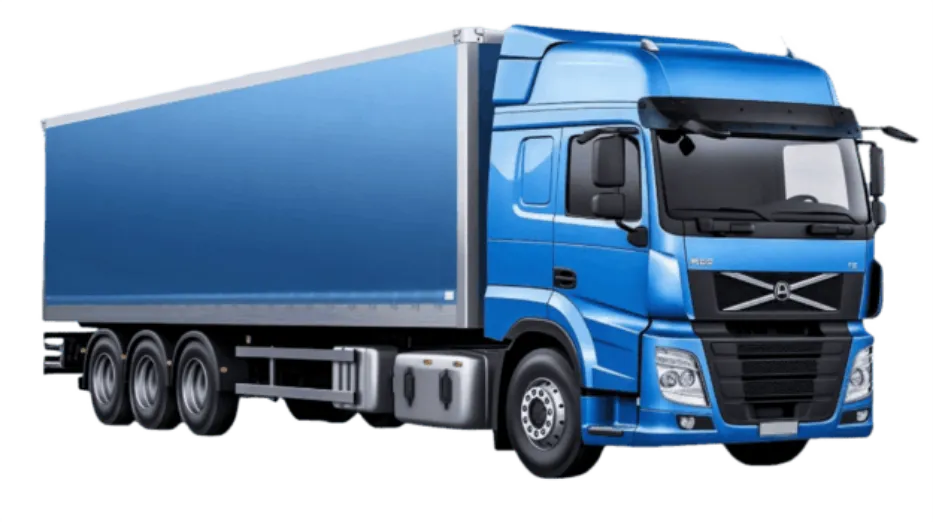
Are your current systems engineered for intelligent freight management—or are they hindering progress with outdated methods?
Legacy platforms, fragmented data, and siloed applications are more than just minor inconveniences; they pose significant risks to your competitive advantage. They obstruct the adoption of sophisticated logistics solutions, delay the essential implementation of scalable modern cloud architectures, and create compliance and security vulnerabilities in a data-intensive operational landscape.
Addressing this requires more than simply implementing new technology—it necessitates developing a strategic framework that aligns your digital infrastructure with your most ambitious business goals. It requires a contemporary, connected infrastructure.



Our approach centers on a modern, interconnected architecture that:
Improves operational efficiency and innovation through advanced technologies
A modern, cloud-based foundation can transform extensive operational, supply chain, and quality data into a valuable asset, enabling data-driven route optimization, predictive fleet maintenance, and process improvements to reduce downtime, expedite delivery times, and maximize cost savings.
Enables smooth integration across your value chain
Establishing strong, standardized platforms can break down information silos across planning, operations, logistics, and supplier networks, ensuring a unified data source that strengthens collaboration, improves overall visibility, and enhances organizational decision-making.
Ensures continuous compliance and operational resilience
Integrating governance, traceability, and cybersecurity measures into the core architecture from the start can turn regulatory and ESG (Environmental, Social, and Governance) compliance into a strategic advantage while providing ongoing oversight that simplifies audits, protects data integrity, and secures proprietary information.
Drive transformative outcomes with specialized services designed for the demands of the logistics and transportation sector.
Transformative Business and Process Modelling
Discover the advantage of the Vivikta Value Matrix for Manufacturing Industry
Enterprise Architecture & Strategy
Operational Efficiency
Optimizes end-to-end logistics processes and resource utilization, reducing operational costs by up to 25%.
Innovation & Agility
Aligns digital transformation initiatives with strategic business goals to accelerate Industry 4.0 adoption and innovation.
Compliance & Sustainability Readiness
Embeds governance frameworks and traceability to meet evolving regulatory, quality, and ESG standards.
Business & Segment Capability Mapping
Operational Efficiency
Streamlines workflows by identifying redundancies and capability gaps across freight planning, cargo handling, and distribution functions.
Innovation & Agility
Enables agile decision-making by linking business capabilities to technology outcomes, supporting faster service innovation and process improvement.
Compliance & Sustainability Readiness
Ensures cross-functional visibility and auditability of operational processes for ISO and regulatory compliance.
Transformative Business and Process Modelling
Operational Efficiency
Reduces cycle times through AI- and IoT- enabled process reengineering, improving throughput and reducing waste.
Innovation & Agility
Facilitates adaptive logistics by modeling “what-if” scenarios for continuous improvement and digital twin simulations.
Compliance & Sustainability Readiness
Integrates compliance checkpoints and sustainability metrics into every process model to ensure proactive risk management.
Achieve Measurable Impact
Operational Excellence
Streamlined order fulfillment and route optimization through TMS/WMS integration
+20-40% efficiency
Cost Optimization
Lower IT and fuel spend through system consolidation and AI-driven route optimization
-10-20% operational costs
Innovation Enablement
Faster deployment of new services through AI, IoT, and data analytics platforms
2x speed to market
Quality & Compliance
Automated traceability of cargo and fleet operations for safety standards and ESG compliance
100% audit and quality adherence
Digital Agility
Accelerated adoption of intelligent systems and real-time visibility platforms
3x transformation velocity
Why It Matters
In an era of globalized trade, complex supply chains, and rising customer expectations, EA aligns logistics operations, digital platforms, and transportation systems into a unified, data-driven ecosystem. By creating a strategic architecture that connects physical and digital assets, these services ensure efficiency, agility, and transparency across every operational layer — delivering measurable value to all stakeholders in the logistics and transportation value chain.
Operators
gain real-time visibility and operational control through the integration of connected fleets, IoT-enabled assets, and automated warehouse systems. Enterprise architecture frameworks enable the creation of digital twins of distribution networks, supporting predictive maintenance, intelligent routing, and performance optimization
Engineers and Planners
accelerate network optimization and innovation through AI-ready, interoperable simulation and planning environments. These digital frameworks facilitate data-driven experimentation, capacity planning, and route optimization across multi-modal transportation systems.
Executives and Decision-Makers
achieve unified, data-driven oversight of fleet performance, cost efficiency, and sustainability objectives. By harmonizing business and technology strategies, EA advisory services empower leadership teams to make informed investment decisions, align IT with business goals, and improve enterprise resilience.
Suppliers and Partners
benefit from integrated, transparent collaboration across the supply chain. Secure data exchange protocols and standardized integration architectures enable seamless coordination among carriers, shippers, and third-party logistics providers, reducing delays and enhancing trust.
Regulators and Auditors
gain comprehensive, auditable insights into safety, compliance, and ESG (Environmental, Social, and Governance) performance. EA advisory frameworks support adherence to transportation standards, carbon reporting mandates, and cross-border logistics regulations through traceable, architecture-driven data governance.
Ready to Engineer the Future of Logistics and Transportation with Enterprise Architecture?
Move beyond disconnected systems
Deliver an integrated, intelligent logistics ecosystem.
Improve interoperability across carriers, partners, and global networks
Enable seamless coordination, real-time tracking, and optimized routing.
Focus on what matters most
Enhance service reliability, delivery speed, and customer satisfaction.
Transform operational planning
Drive agility with data-driven planning, fleet optimization, and automation.
Navigate complex regulatory, sustainability, and safety requirements
Ensure compliance, transparency, and resilience across every route.
Turn your vast logistics and transportation data
Respond quickly to shifting demand, disruptions, and market changes.
Reduce technical debt from legacy TMS, WMS, and ERP systems
Accelerate modernization and connect digital logistics capabilities end-to-end.
Create a unified view of supply chain and mobility operations
Gain complete visibility from order to delivery, across all transport modes.
Leverage analytics, AI, and digital twins
Enable smarter route planning, capacity utilization, and performance optimization.
Streamline logistics and transportation processes across the enterprise.
Boost agility, sustainability, and competitiveness in a connected world.
Our Services in Transformative Business and Process Modeling for Logistics and Transportation Sector
As-is and To-be Process Modeling
Analyzing current logistics and transportation workflows Map existing supply chain, fleet, and warehouse processes to uncover inefficiencies, delays, and redundancies. Designing optimized future operations Define target workflows integrating automation, digital tracking, and real-time visibility to improve speed and accuracy.
Business Process Reengineering (BPR) Consulting
Redefining core logistics and transport processes Reimagine order fulfilment, routing, and distribution networks to boost efficiency and lower operational costs. Enhancing reliability and customer satisfaction Streamline operations to ensure on-time delivery, reduced fuel consumption, and improved service quality.
Capability-based Planning
Defining essential logistics capabilities Identify and map critical capabilities like predictive route optimization, last-mile delivery visibility, and demand forecasting. Aligning capabilities with strategic goals Ensure process improvements directly support business growth, sustainability, and resilience objectives.
Technology Integration Planning
Connecting digital and operational ecosystems Develop frameworks for integrating IoT, AI, telematics, and cloud-based TMS/WMS platforms into core operations. Creating real-time, data-driven logistics networks Enable seamless information flow across suppliers, carriers, and customers for greater agility and transparency.
Strategic Road-mapping
Building a phased transformation journey Define clear, value-based roadmaps guiding the transition from legacy operations to digital-first logistics models. Prioritizing high-impact initiatives Focus on projects that deliver measurable outcomes in efficiency, safety, and sustainability.
Governance and Change Management Support
Establishing governance and process ownership Define roles, policies, and control structures to ensure alignment with architectural principles and standards. Driving adoption across the logistics value chain Enable consistent implementation of new digital processes through training, communication, and stakeholder engagement.
Strategic Alignment of Logistics Operations with Business Objectives
Achieving 3× improvement in alignment between process performance and enterprise KPIs.
Streamlines workflows by identifying redundancies and Our EA ensures business processes across transportation, warehousing, and delivery are mapped directly to strategic goals such as cost reduction, SLA adherence, and sustainability, creating a unified operational vision that links technology investments to measurable logistics outcomes. gaps across freight planning, cargo handling, and distribution functions.
End-to-End Supply Chain & Logistics Visibility
Achieving 50–60% improvement in supply chain transparency and tracking accuracy.
Our Technology-Based Process Management (TBPM) establishes a digital thread linking planning, procurement, transport, warehousing, and last-mile delivery workflows, enabling real-time visibility, proactive disruption management, and data-driven decision-making.
Operational Efficiency and Process Optimization
Achieving 30–35% reduction in operational bottlenecks and turnaround times.
Our EA-guided process modeling identifies redundancies, automates repetitive activities, and streamlines routing and scheduling, improving delivery performance, asset utilization, and reducing manual dependencies.
Digital Transformation and Smart Logistics Enablement
Achieving 2× acceleration in digital logistics initiatives, including IoT, AI, Blockchain, and RPA.
Our TBPM provides the process blueprint for integrating smart sensors, AI-driven route optimization, and digital freight management, driving Logistics 4.0 adoption and creating connected, intelligent, and adaptive transport ecosystems.
Improved Cost Optimization and Resource Utilization
Achieving 25–30% reduction in logistics and fleet operating costs.
Our EA helps identify process waste, underutilized assets, and redundant workflows across supply and delivery chains, delivering measurable savings through route efficiency, automation, and improved load planning.
Enhanced Customer Experience and Delivery Accuracy
Achieving 40% improvement in on-time, in-full (OTIF) delivery rate and customer satisfaction (CSAT/NPS).
Our TBPM integrates front-end customer interaction processes with backend logistics execution systems, providing real-time order tracking, proactive alerts, and personalized service experiences.
Regulatory Compliance and Trade Facilitation
Achieving 100% compliance with customs, transportation, and safety regulations (IMO, IATA, ISO).
Our EA embeds compliance and documentation checkpoints within business process models, reducing audit preparation time by 80% and eliminating process non-conformities.
Data-Driven Decision-Making and Predictive Operations
Achieving 45% faster decision cycles and 50% improvement in forecasting accuracy.
Our EA integrates analytics and business intelligence within process models, connecting operational KPIs to real-time dashboards, enabling predictive logistics management, demand forecasting, and capacity planning.
Improved Collaboration and Ecosystem Integration
Achieving 40% reduction in inter-organizational process friction.
Our TBPM aligns stakeholders across carriers, warehouses, freight forwarders, ports, and customers through standardized, interoperable processes, strengthening collaboration and ensuring smooth data exchange across supply chain partners.
Improved Collaboration and Ecosystem Integration
Achieving 80–90% reduction in unauthorized data access incidents.
Our EA embeds role-based access control and encryption logic directly into data architecture and table design, strengthening data protection and compliance with cybersecurity frameworks like ISO 27001, NIST, DO-326A.
Sustainability and Green Logistics Integration
Achieving a 20–25% reduction in carbon footprint and energy consumption.
Our TBPM integrates sustainability metrics directly into process performance models, including aspects such as route emissions, fuel efficiency, and empty-mile tracking. This integration supports ESG reporting, regulatory compliance, and optimization of environmental performance.
Workforce Empowerment and Automation Readiness
Achieving a 35–40% improvement in workforce productivity and automation adoption.
Our EA identifies processes ready for automation and outlines digital skills and role transformation roadmaps. This approach balances human and digital capabilities across operational and customer-facing processes.
Faster Innovation and Technology Adoption
Achieving a 2× faster implementation of emerging logistics technologies.
Our EA and TBPM define modular, API-ready architectures, facilitating the accelerated integration of new platforms like autonomous vehicles and drone logistics. This enables agile adoption of innovations while minimizing disruption to existing operations.